
Found an injured or orphaned animal?
Read the four steps, find your animal below, then call or text us. We answer 8am to midnight and we'll tell you exactly what to do next.
Please don't bring an animal to the center without calling first. We may not be on site, and an animal left at the door can die waiting.

Before anything else
- No food, no water.
A scared animal gets food in its fur or its lungs. The wrong diet causes injury or death. Not even a drop.
- Warm it.
A box with a towel or old t-shirt and pencil-sized air holes in the lid. Set the box half on a heating pad on low, or tuck in a sealed bottle of warm water.
- Dark and quiet.
A closed box in a room away from children, pets, TV, and voices. Prey animals can die of fear alone.
- Hands off.
Don't handle it more than you must, and never with bare hands. If a bat, raccoon, skunk, fox, or coyote touches bare skin, California law requires the animal to be euthanized and tested for rabies.
We take these animals
Call or text first so someone is here to meet you. We specialize in small mammals.
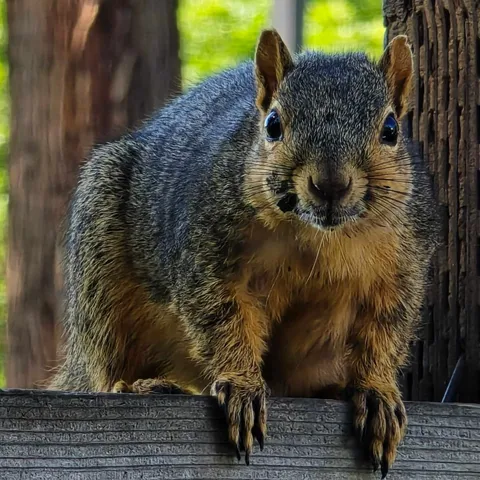 SquirrelBabies fall from nests all the time. Most can go back to their mother if you act quickly.
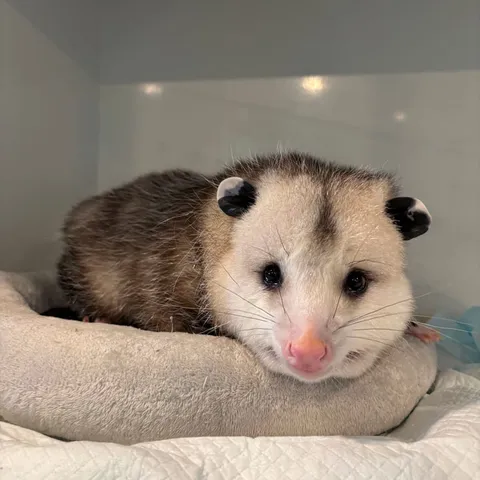 OpossumNorth America's only marsupial. Babies ride in the pouch, then on mom's back, then are on their own at eight inches long.
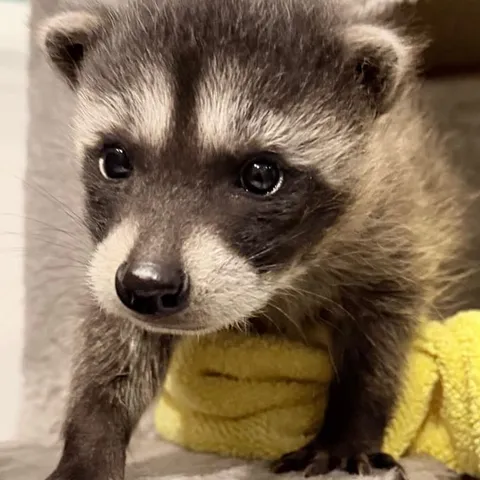 RaccoonWe take raccoons under special procedures. Never touch one with bare hands.
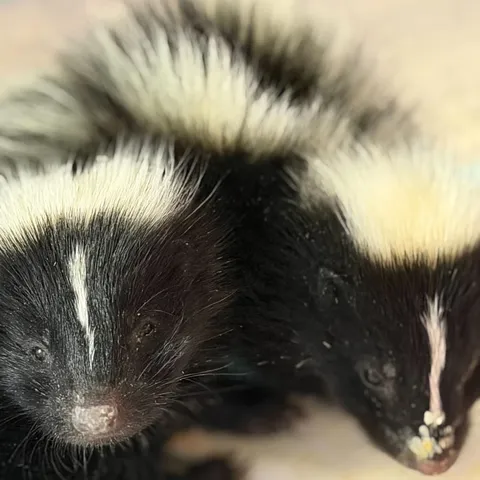 SkunkWe take skunks under special procedures. Never touch one with bare hands, and move slowly.
 Mouse, rat, or voleSmall rodents are the bulk of spring intake. Babies are tiny, cold quickly, and need help fast.
 Marmot or ground squirrelOccasional patients, usually found injured on trails or roads.
 JackrabbitBaby jackrabbits are left alone on purpose. A still baby in the grass is not abandoned; it's hiding.
We can't take these right now
Call us anyway. We'll direct you to a center that can help. We're not set up for birds or large animals at the moment, but we know who is, and the steps below still apply while you get there.
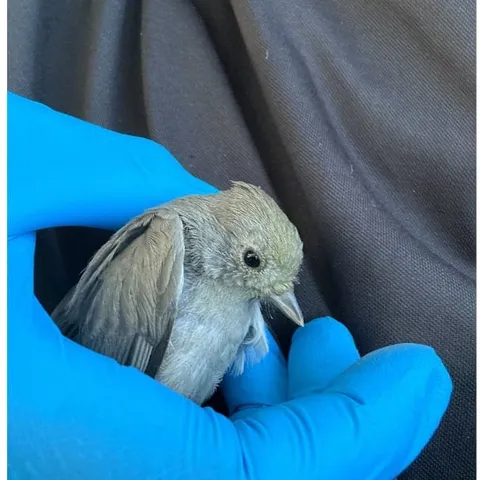 SongbirdMost "orphaned" baby birds are fledglings learning to fly, with parents nearby.
 HummingbirdHummingbirds die within hours without food, so speed matters more than with any other animal.
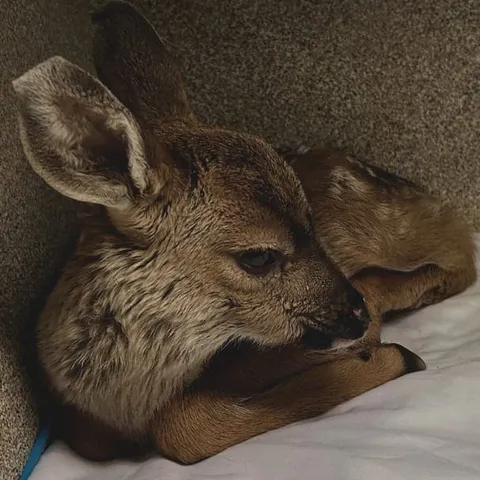 FawnA fawn lying alone is waiting for its mother. Almost none need rescue.
 BatBats on the ground need help, and they are the one animal you must never touch bare-handed.
 Duck, goose, or water birdDucklings separated from their mother, oiled or fishing-line-tangled birds, and goslings on the freeway. Bird centers handle these.
 Fox or coyoteKits and pups occasionally turn up in construction sites and under decks. Never touch; call.
Other centers near you
Call us first and we'll route you. If you'd rather go direct, these are the Bay Area's other wildlife hospitals. Always call ahead; never leave an animal at a door.
Birds and larger mammals
- Lindsay Wildlife Rehabilitation Hospital, Walnut Creek(925) 935-1978Native wildlife only
- WildCare, San Rafael(415) 456-7283Pigeons and non-native wildlife OK
- Peninsula Humane Society, Burlingame(650) 340-7022Native wildlife only
- Ohlone Humane Society Wildlife, Fremont(510) 797-9449Pigeons OK
- International Bird Rescue, Fairfield(707) 207-0380 ext. 110Water birds
- SF Animal Care and Control dispatch(415) 554-9400San Francisco, 6 A.M. to midnight
After hours, 4 p.m. to 6 a.m.
- Veterinary Emergency Group, Pleasant Hill(925) 384-2110Takes wildlife free of charge; call ahead
- Veterinary Emergency Group, San Ramon(925) 718-7771Takes wildlife free of charge; call ahead
- Veterinary Emergency Group, San Jose(408) 834-8180Takes wildlife free of charge; call ahead
- Peninsula Humane Society after-hours line(650) 363-4953San Mateo County
- WildCare nightline(415) 456-7283Marin County, after 5 p.m.
Poaching or pollution
- California Department of Fish and Wildlife CalTIP(888) 334-225824 hours
Outside the Bay Area: California's list of licensed rehabilitators, the National Wildlife Rehabilitators Association directory, or the International Wildlife Rehabilitation Council.
Why not raise it yourself?
Raising a wild animal is round-the-clock work with a species-specific diet, and getting it wrong causes deformities you won't see until it's too late. A baby songbird eats every 20 to 30 minutes for 14 hours a day, for months. Then it needs weeks in a flight aviary before it can survive outside. Keeping wildlife without a permit is illegal in California, even if you plan to release it.
Want to become an expert and be able to help raising orphaned animals yourself? Join the Infant Care Team.